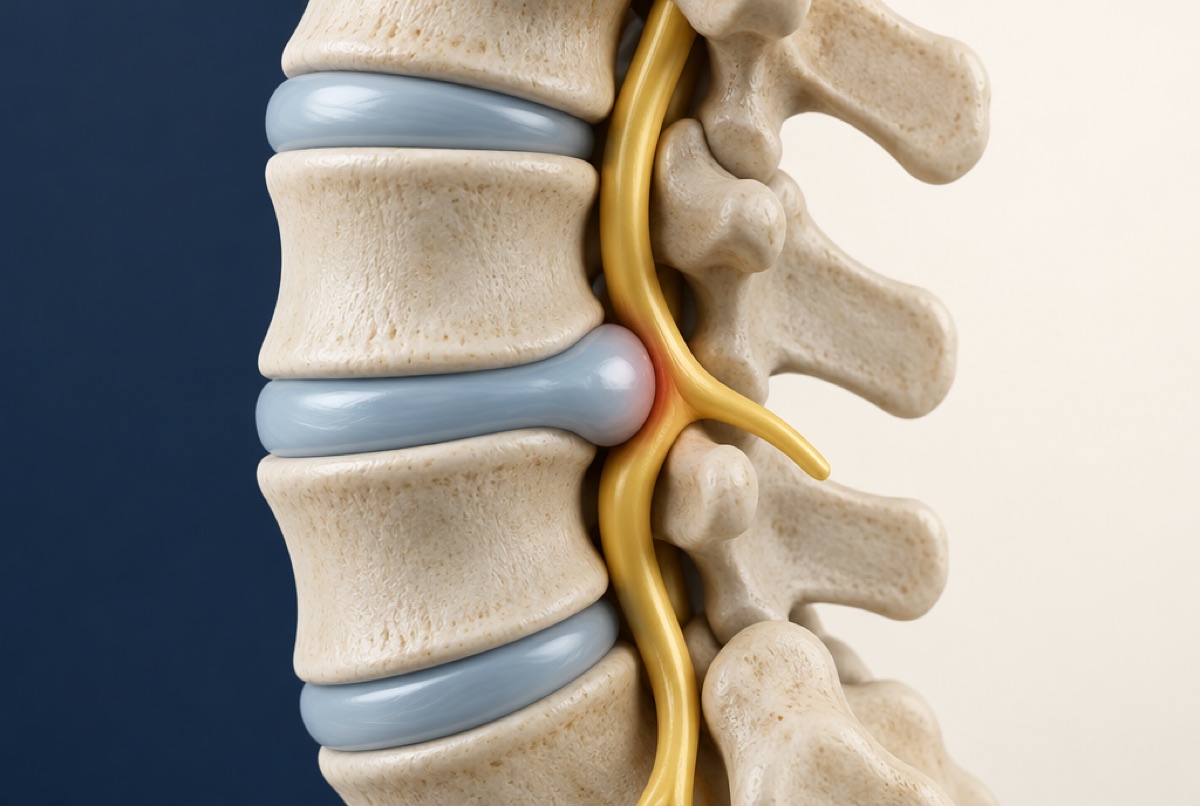
Slipped disc & sciatica
A lumbar disc can irritate a nerve, causing pain down the leg. Assessment helps distinguish nerve pain from other causes.
Read the patient guideClear diagnosis and personalised treatment, with a focus on endoscopic spine surgery.
For non-emergency appointments only. Our clinic team will reply to confirm availability.
Consultant Neurosurgeon · MS Neurosurgery (USM) · Fellowship in Endoscopic Spine Surgery, Seoul · Fellowship in Pain Management, India · NSR 138842 · MMC Registered
Urgent symptoms / when to go to Emergency
Dr. Yee Sze-Voon · Consultant Neurosurgeon
Dr Yee Sze-Voon Consultant Neurosurgeon
WhatsApp is for general enquiries only, not for emergencies. For emergency symptoms, attend the nearest Emergency Department immediately. Urgent symptoms
Start with your symptoms or scan findings. Explore the assessment and treatment options relevant to you.
A lumbar disc can irritate a nerve, causing pain down the leg. Assessment helps distinguish nerve pain from other causes.
Read the patient guide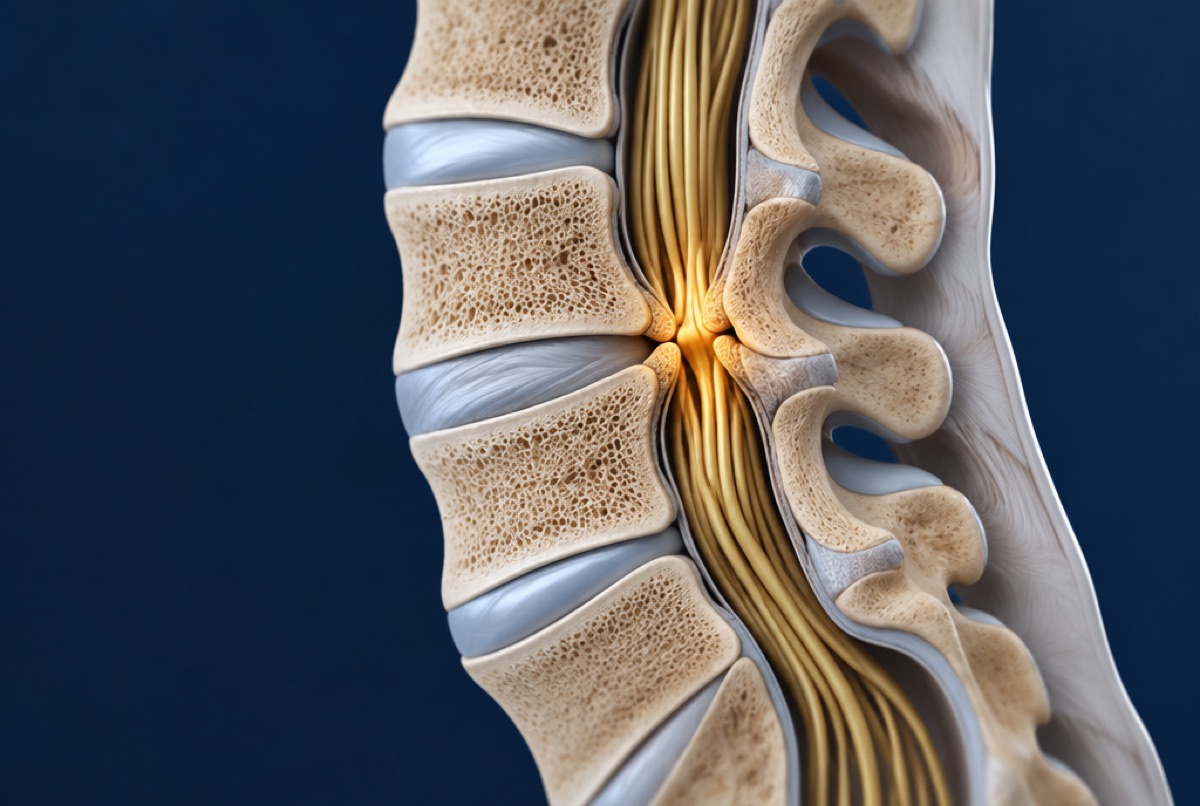
Narrowing around the nerves may cause leg pain or difficulty walking. Treatment depends on your symptoms and examination.
Read the patient guide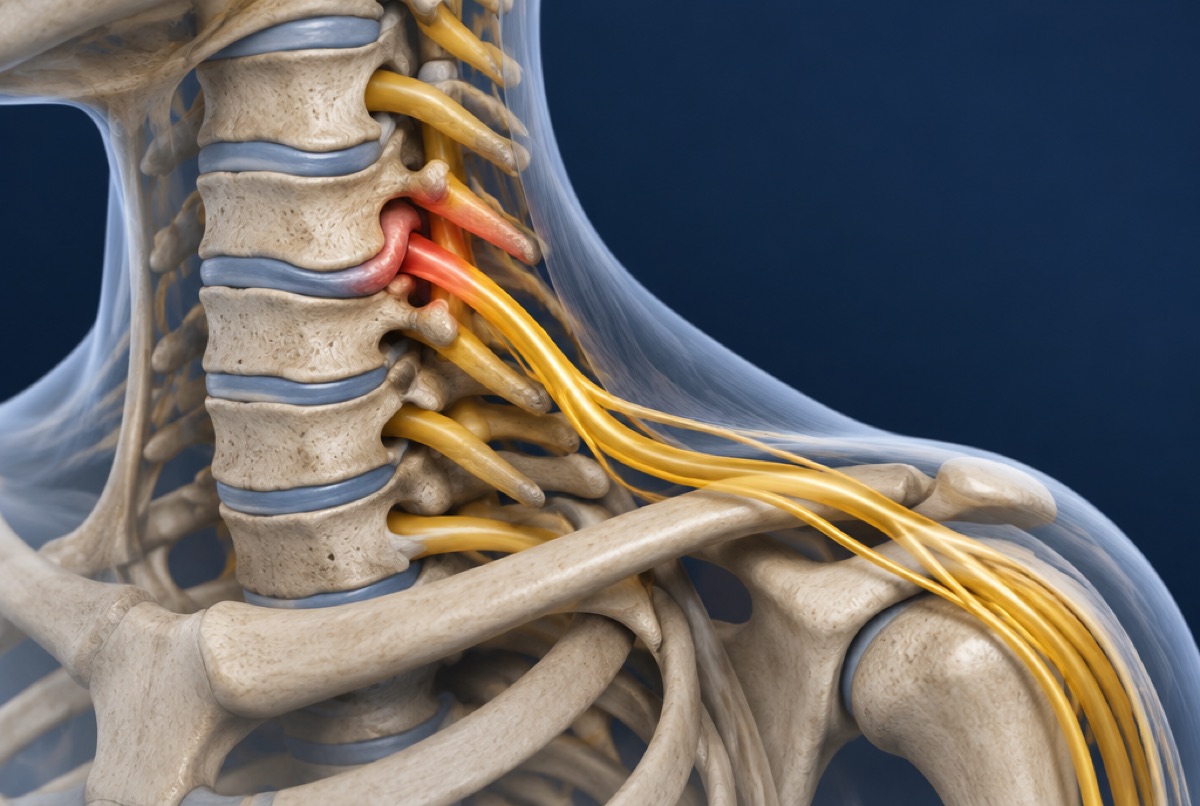
Neck-related nerve compression may cause arm pain or numbness. Hand clumsiness or walking changes need timely assessment.
Read the patient guide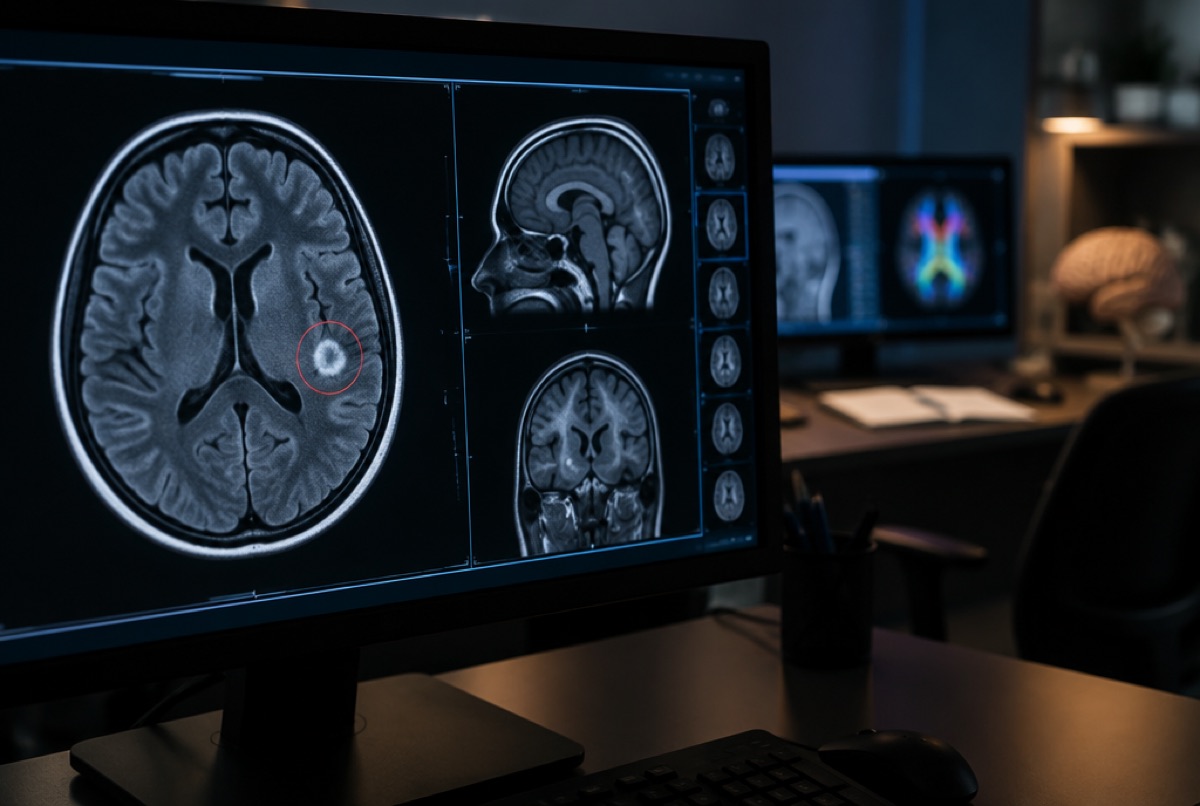
A scan finding needs clinical context. Learn about brain tumours, symptoms and the role of specialist review.
Read the patient guide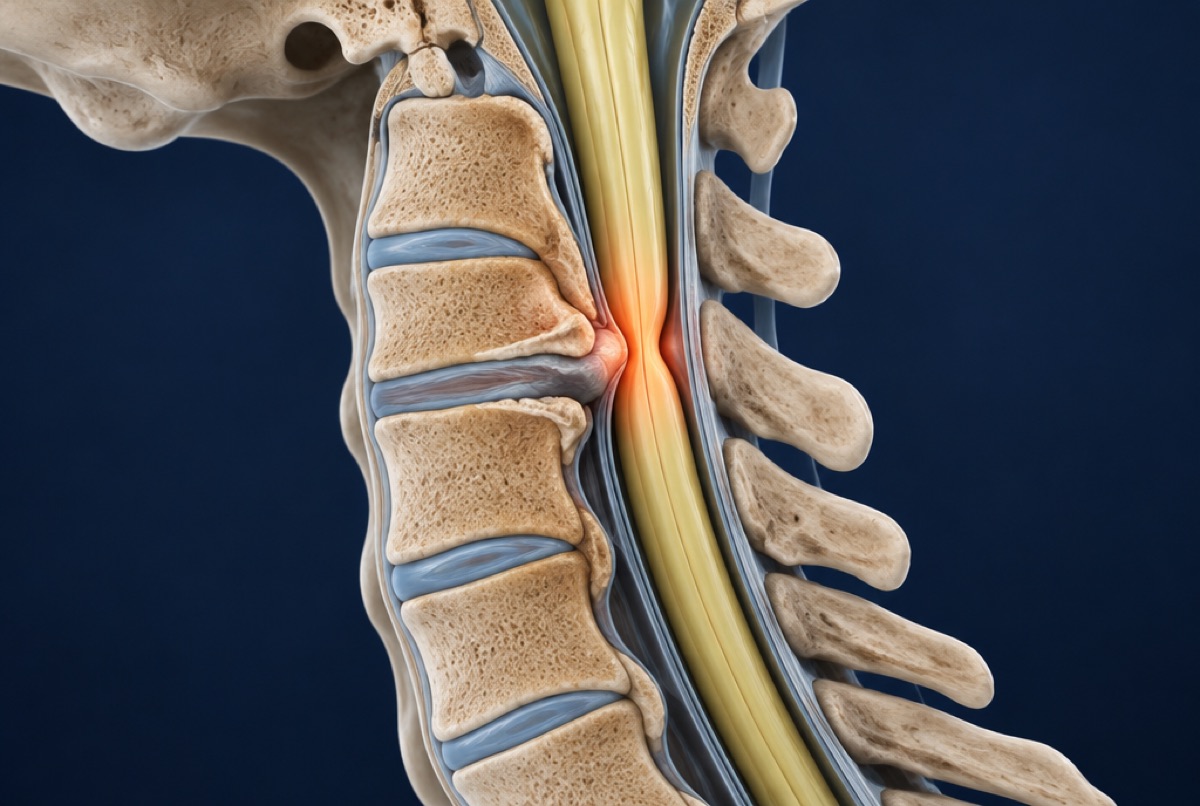
Pressure on the spinal cord in the neck can affect hand function and walking. Needs timely assessment.
Read the patient guide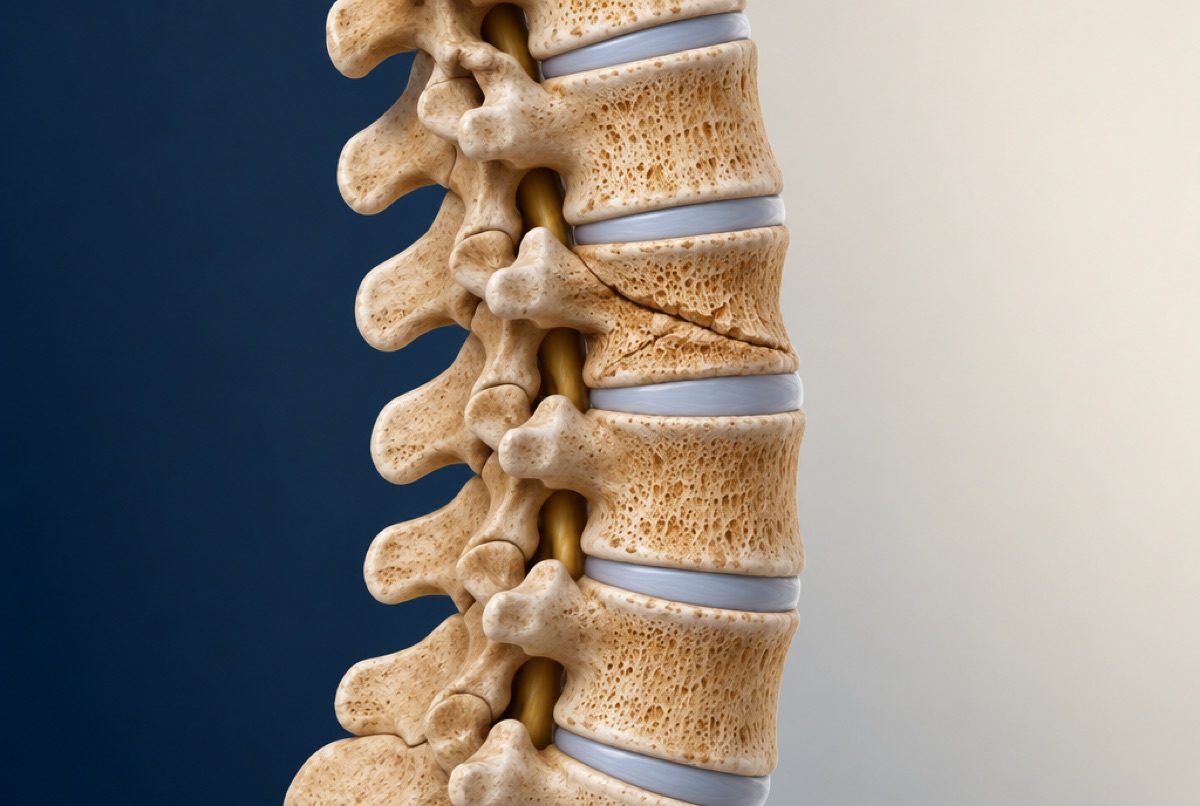
A weakened vertebra may crack or collapse, often causing sudden back pain.
Read the patient guideThe right treatment starts with a diagnosis. Non-operative care, monitoring and surgery are considered according to your symptoms, examination, imaging and goals.
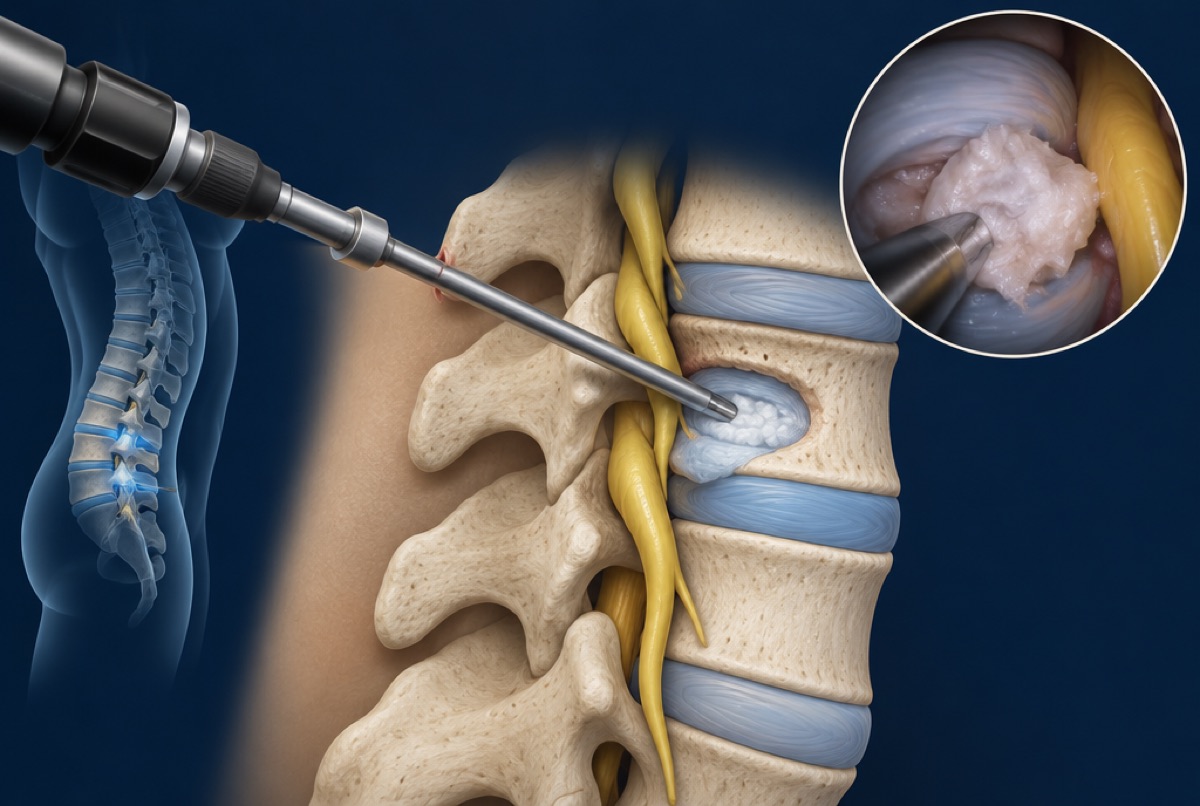
A camera and instruments through a small access route can remove selected disc material or decompress a nerve. Suitability depends on the level, anatomy and type of compression; not every condition can be treated this way.
Read the patient guide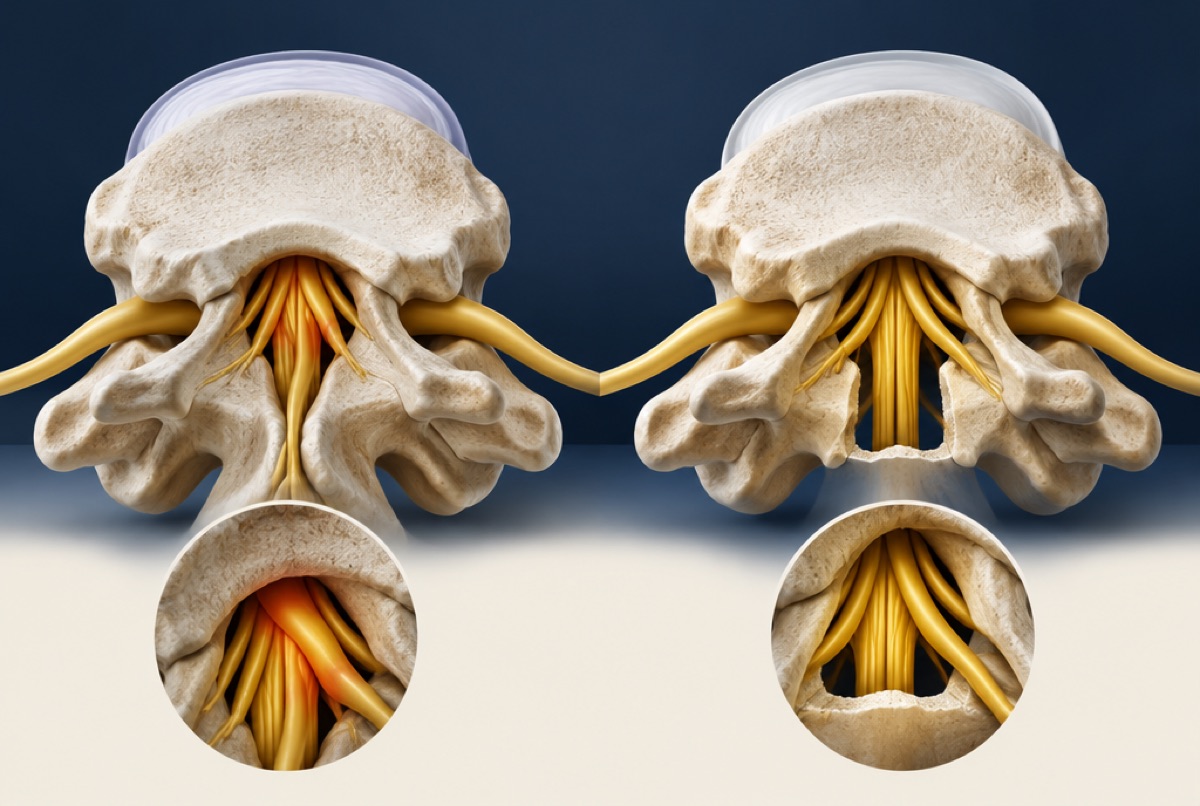
Using magnification, the surgeon removes selected tissue pressing on a nerve. This may suit cases requiring a different approach; the extent of surgery and recovery vary.
Read the patient guide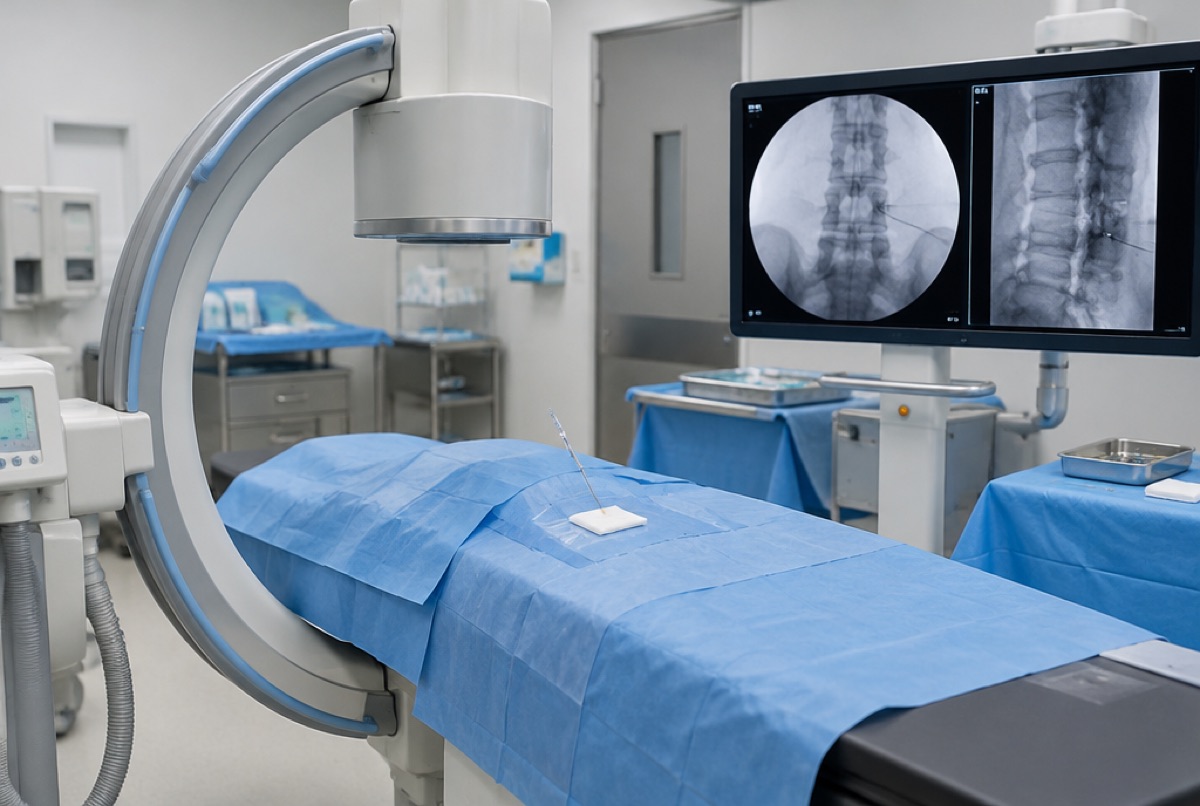
Selected injections may help manage pain or clarify a pain source. Relief may be temporary, and injections do not correct every structural problem or progressive neurological deficit.
Read the patient guide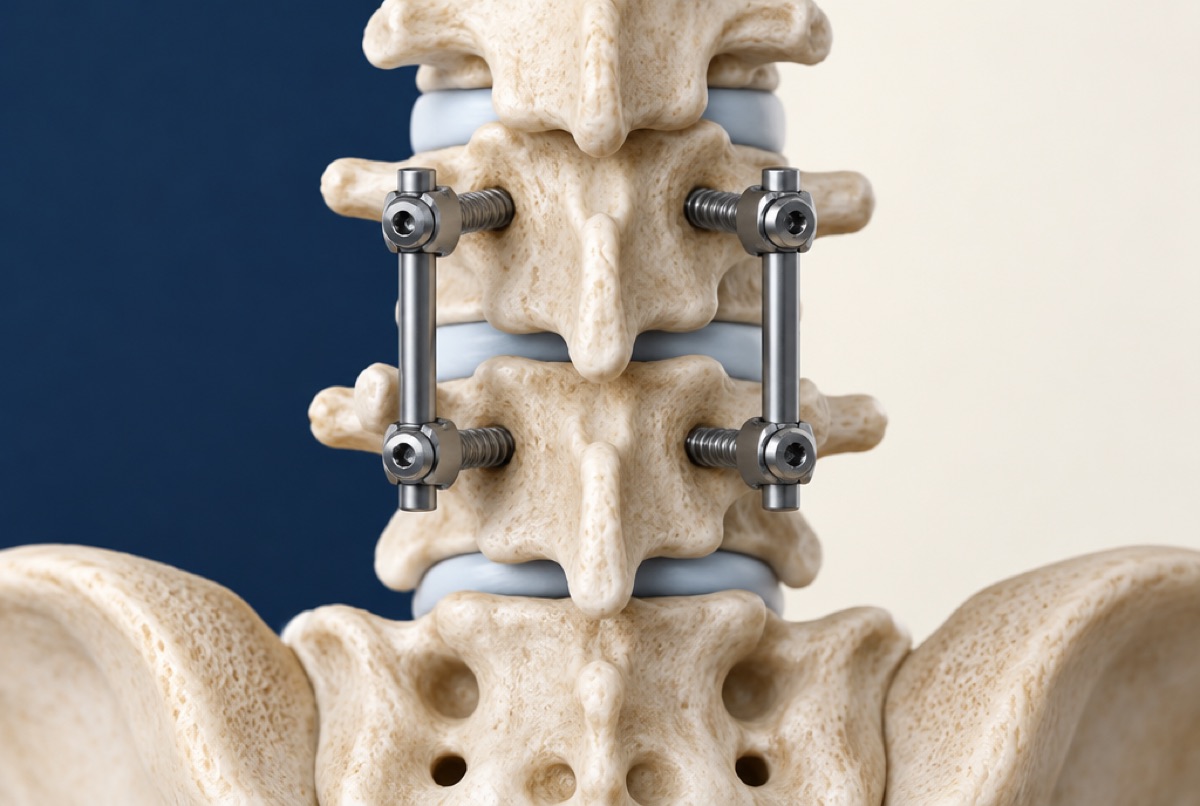
Fusion stabilises selected spinal segments when the assessment identifies a need for stability. It is not routine for every slipped disc; risks, alternatives and recovery require individual discussion.
Read the patient guide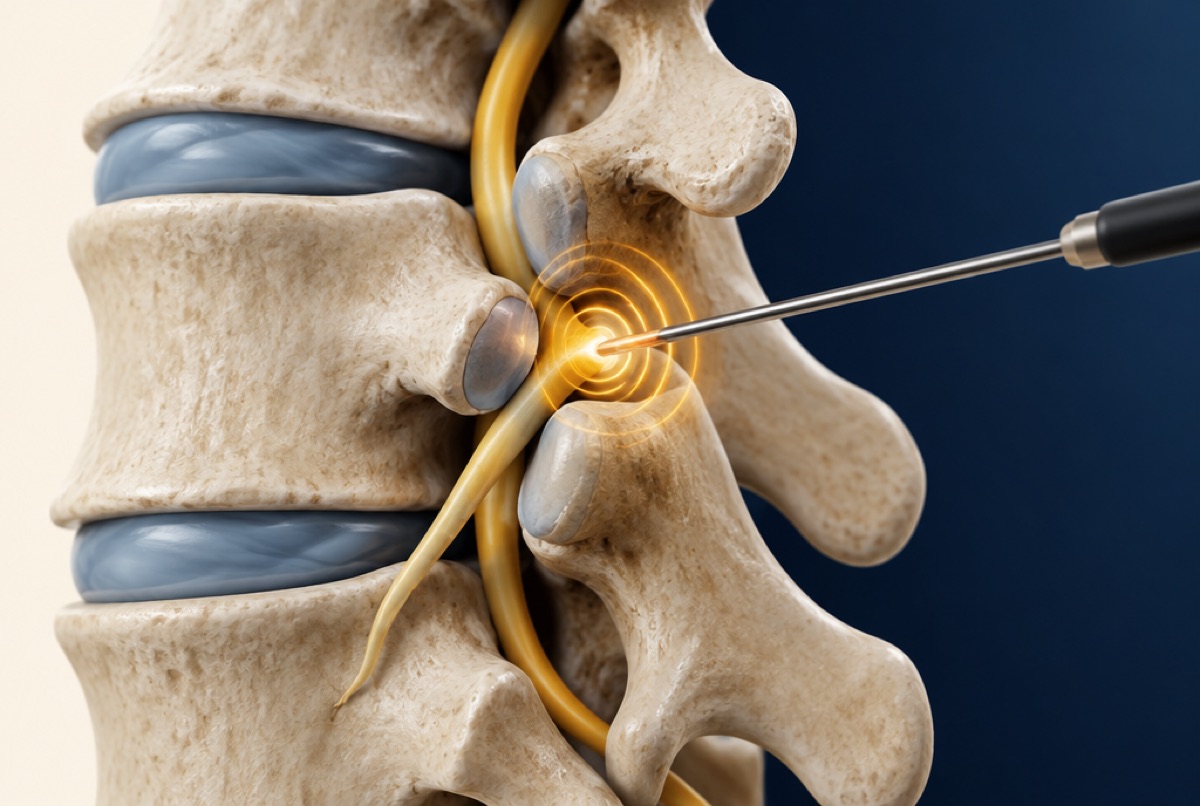
Heat from a fine probe can quiet a small pain-carrying nerve in selected patients.
Read the patient guide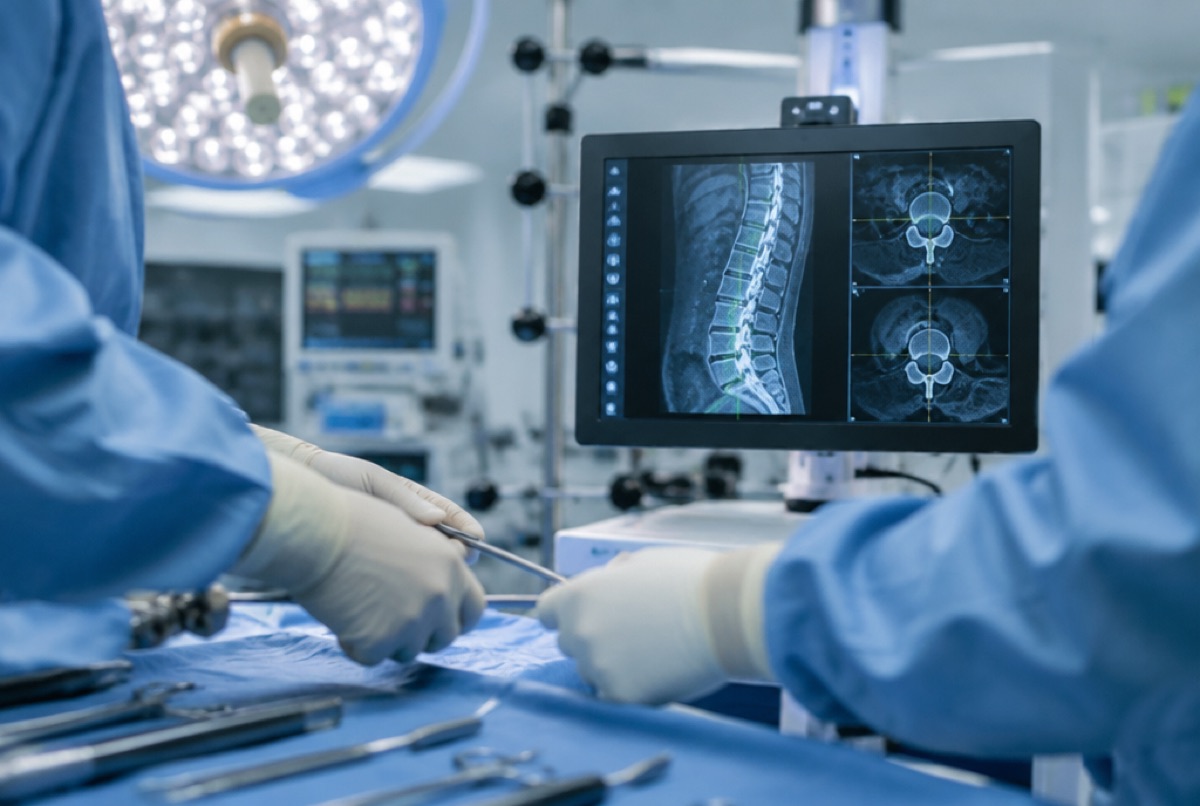
Scans help plan surgery and guide the surgical team.
Read the patient guideStock-style educational images, simplified for discussion with your clinician. They do not show an individual patient or guarantee an outcome. Suitability of any treatment is decided only after assessment.
"Not everyone who sees a neurosurgeon needs an operation. In many cases, the most important thing I can offer is not a procedure — it is clarity. Understanding what is happening in your brain or spine, why it is happening, and what your options genuinely are. That conversation changes how patients make decisions, and it changes outcomes. Surgery is one of the tools available to me. When it is indicated, the goal is precision. It is not the starting point."
Dr. Yee Sze-Voon is a Consultant Neurosurgeon based at KPJ Damansara Specialist Hospital, with subspecialty training in endoscopic and minimally invasive spine surgery, brain surgery, and pain management. He underwent further endoscopic spine surgery training in Seoul, South Korea under experienced endoscopic spine surgeons, with emphasis on careful case selection, imaging correlation, and minimally invasive technique where clinically appropriate.
His practice covers both brain and spine conditions on equal footing. Whether a patient presents with a new brain MRI finding, a seizure, persistent headache, back pain, or progressive neurological symptoms — the approach is the same: accurate diagnosis first, then an honest discussion of options. Where surgery is indicated, the aim is precise and appropriate intervention.
Dr. Yee consults in English, Bahasa Melayu, Mandarin, and Cantonese.
Choose a non-emergency appointment route; the clinic team will confirm availability.
Your MRI is considered alongside your symptoms and examination. Some findings need monitoring rather than surgery.
Whether your concern involves the brain, spine, or both — use this section to find the right assessment pathway.
The following symptoms may indicate a time-sensitive neurological condition. They require urgent medical assessment — not routine appointment booking.
Seek specialist review when symptoms persist, affect daily function, or your scan needs clinical interpretation.
| Clinical situation | Recommended action |
|---|---|
| Brain tumour or abnormal brain MRI / CT finding | Arrange neurosurgical assessment to understand the diagnosis, risk, and treatment options. |
| New seizure or blackout | Earlier specialist assessment is recommended. Emergency care is required if repeated, prolonged, or associated with injury, confusion, or weakness. |
| Headache with vomiting, drowsiness, visual change, or neurological deficit | Emergency assessment is required. Attend the nearest Emergency Department. |
| Brain haemorrhage, suspected stroke, or sudden severe headache | Emergency assessment is required. Attend the nearest Emergency Department. |
| Persistent arm or leg nerve pain despite treatment | Specialist review and imaging correlation is appropriate. |
| Progressive limb weakness, gait difficulty, or imbalance | Earlier specialist assessment is recommended. |
| Symptoms of spinal cord compression or myelopathy | Prompt specialist assessment is recommended. |
| Bladder or bowel change, or saddle area numbness | Emergency assessment is required. Attend the nearest Emergency Department. |
This table provides general information only and does not replace clinical consultation, examination, and imaging review.
Consultation is not just a scan review. It includes symptom history, neurological examination, imaging correlation, diagnosis, a discussion of options, and a clear plan.
Duration, character, progression, prior treatment, and functional impact on daily life — assessed in detail before anything else.
Strength, sensation, reflexes, coordination, and walking pattern — examined in relation to the presenting symptoms.
MRI, CT, or X-ray findings reviewed together with clinical history and examination — not in isolation.
A clear explanation of the diagnosis, the available treatment options, and the clinical reasoning behind each one.
Whether observation, further investigation, or treatment — the next action is explained with expected timeline and rationale.
Previous MRI or CT films and reports, referral letters if available, current medication list, and prior operation notes if relevant.
This is understandably distressing news. The first step is a specialist assessment to understand the type of lesion, how it is behaving, and what the options are. Not all brain tumours require immediate surgery — many are managed with close observation without intervention. A neurosurgical consultation will give you clarity on what is appropriate for your specific situation.
Not necessarily. Many MRI findings — including small tumours, cysts, or incidental lesions — are managed with observation and serial imaging rather than surgery. The decision depends on the nature of the finding, your symptoms, and your neurological examination. Imaging findings must always be interpreted alongside the full clinical picture.
A neurologist diagnoses and manages neurological conditions medically. A neurosurgeon is trained to both assess neurological conditions and perform surgery when clinically indicated. Some conditions are best managed medically, some surgically, and many require input from both. If surgery has been raised as a possibility by a neurologist, a neurosurgical opinion can clarify whether it is needed and what the options are.
No. Many patients are seen in clinic and managed without surgery — through conservative measures, physiotherapy, injections, or continued monitoring. Surgery is considered only when it is clinically indicated based on diagnosis, severity, and response to other treatment.
Endoscopic spine surgery is a minimally invasive approach that uses small incisions and a camera system to access and treat spinal pathology. It is associated with reduced soft tissue disruption and, in appropriate cases, faster recovery compared with open surgery. Not all spine conditions are suitable for an endoscopic approach — suitability depends on the specific diagnosis and anatomy.
Yes. Imaging should always be interpreted alongside clinical history and neurological examination. A scan report alone may not explain what is causing your symptoms, or whether your symptoms are related to what the scan shows. A consultation provides that clinical correlation.
Previous MRI or CT films and reports, any X-rays, referral or specialist letters, current medication list, and prior operation notes if you have had previous spine or brain surgery. Bringing actual imaging films rather than reports alone allows a much more detailed review.
Sudden weakness, facial drooping, slurred speech, first seizure, severe sudden headache, confusion, drowsiness, loss of bladder or bowel control, saddle numbness, or rapidly worsening limb weakness should be assessed urgently at the nearest Emergency Department. Do not wait for a routine appointment.
Bring scan images and reports, your medication list and any referral letter. See what to expect, clinic details, or request an appointment.
Request a non-emergency appointment through WhatsApp or the form. The clinic team will confirm availability.
For urgent neurological symptoms, attend the nearest Emergency Department. This form is not monitored for emergencies.
If you prefer not to fill the form, you may WhatsApp our clinic team. A family member may also help send the appointment request on behalf of the patient.
Copy WhatsApp number: +60188711928
WhatsApp Clinic Team For urgent neurological symptoms, please attend the nearest Emergency Department.Brain and spine assessment at KPJ Damansara Specialist Hospital.
Request an appointment or view location and hours.
Sudden weakness, facial drooping, slurred speech, first seizure, severe sudden headache, confusion, drowsiness, loss of bladder or bowel control, saddle numbness, or rapidly worsening limb weakness — attend the nearest Emergency Department immediately.
The information on this website is provided for general patient education only. It does not replace medical consultation, clinical examination, imaging review, diagnosis, or emergency medical care. Treatment decisions should be made after proper assessment by a qualified medical professional. For urgent neurological symptoms, please attend the nearest Emergency Department immediately.